



Teaching and Learning
At Richard de Clare Community Academy, we seek to imbue every learning opportunity with the ethos of our mission statement.
This page aims to set out the principles of how we teach at Richard de Clare so that we can offer all our pupils:
- A carefully sequenced curriculum, which is both relevant and enriching for our pupils
- High-quality teaching, which considers the best evidenced-informed approaches to learning
- A safe and inclusive learning environment, built on strong relationships between adults and children, where every child’s potential is nurtured without a ceiling to their success
For further information, see our curriculum page, curriculum map and half termly curriculum overview documents.
Our Curriculum Curriculum Map Half Termly Curriculum Overviews
How We Teach
At Richard de Clare, our shared, evidenced-informed, understanding of how pupils learn drives how we teach. Our lessons are planned in a way to reflect this and are structured predictably for pupils so that they are aware of what is expected of them at every stage.
This model is based on the EEF’s ‘seven-step metacognition model’.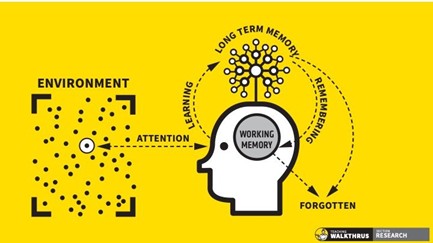
|
|
What we do: |
Examples: |
|
Learning objective |
Every lesson starts with a clear learning objective in child-friendly language, which is shared with pupils so they are clear on what they are learning in this lesson. |
I can explore… I can develop… I can explain… I can investigate… |
|
Retrieval practice |
Each lesson provides an opportunity for retrieval practice to aid retention, strengthen schema and help build fluency. This may link directly to the content of the lesson, the unit of learning, or it may be unrelated. |
Last lesson, last week, last topic, last year Give one fact, take one fact Flashback 4 |
|
Links to prior learning |
Teachers will contextualise current learning in relation to prior learning, checking their understanding of what they have learnt previously before introducing new learning. |
In a lesson on pronouns, a teacher might discuss and assess pupils’ understanding of nouns first. |
|
Key vocabulary |
Explicit vocabulary is in every lesson prior to the introduction of new learning. Teachers select key words for the lesson and give clear, child-friendly definitions for these, often using images to support them. |
Year 1 art:
Year 4 history:
|
|
Exposition and explicit modelling ‘I do’ |
In every lesson, teachers will demonstrate the key learning through modelling of the task, thinking and language required to achieve the learning objective. They will introduce new ideas in manageable chunks and show pupils how to break the learning into steps, often by using a ‘toolkit’. Throughout this, they will narrate the reasoning at each step. |
|
|
Guided practice ‘We do’ |
Pupils will be guided through further examples, using the model that the teacher gave to support them. Support will be reduced (faded) over time so that pupils become more independent. At this point, pupils may support one another through practice, discussing their strategies with a peer. |
|
|
Independent practice ‘You do’ |
Pupils will be given time apply their learning independently to a task that is designed allow them to employ the strategies which have been modelled and rehearsed through guided practice. |
|
|
Questioning, assessment and feedback |
Teachers will systematically assess what pupils know and what they need to progress at every stage of the lesson and use this to plan next steps in their learning. This will primarily be done through live, verbal feedback in the moment but will sometimes take the form of written feedback where the child has appropriate understanding of this. |
Questioning Mini whiteboards Think, pair, share Cold calling Choral responses Verbal feedback Live marking |
|
Guided reflection |
Pupils will be given the opportunity to reflect on their learning, considering what went well and what they might change or do differently in the future. |
How did you…? What happened when you…? How could you improve…? What might you change next time? |
Learning Environments:
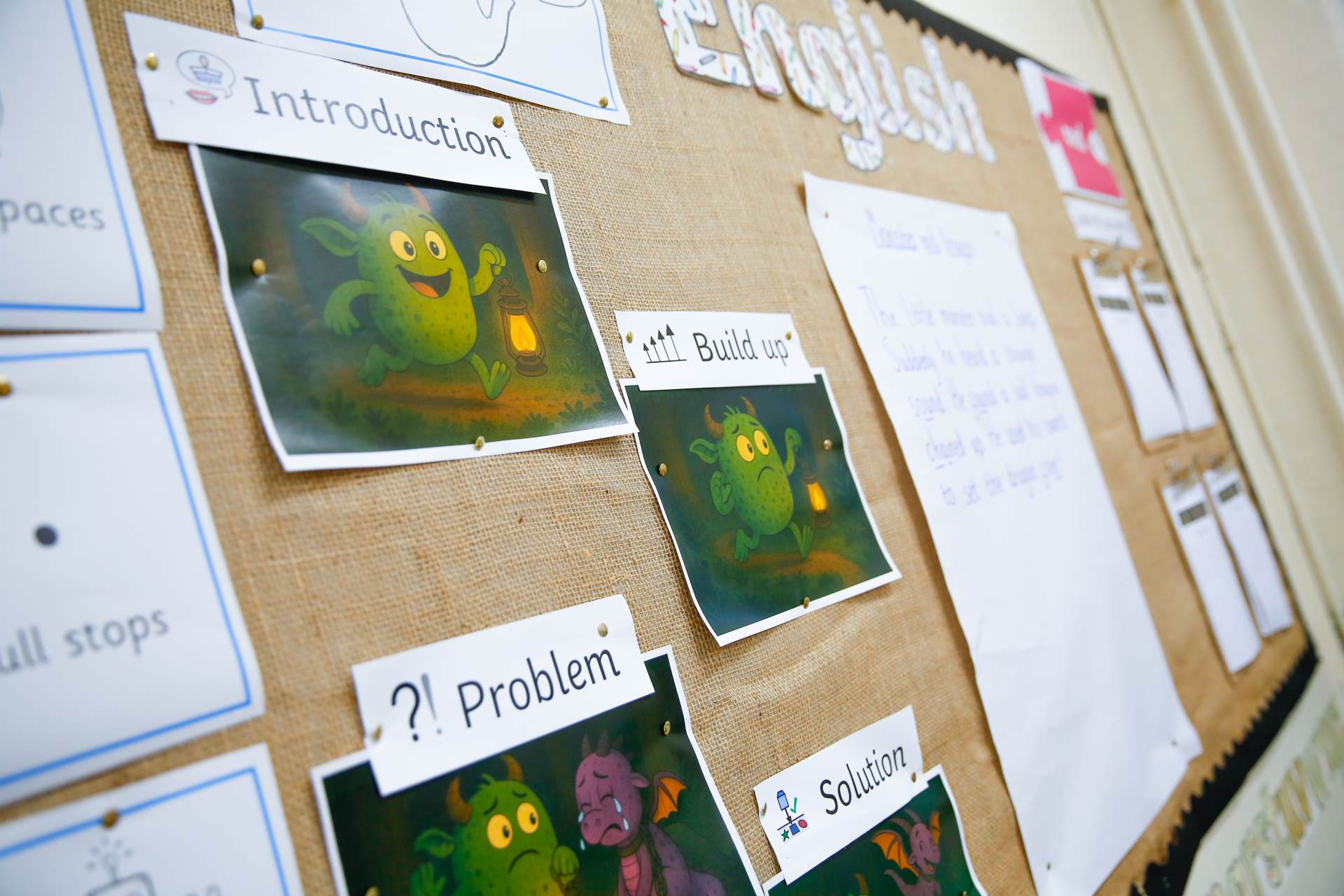 We feel that the learning climate we create in our school is crucial as learners are affected by the physical environment which surrounds them.
Therefore, teachers strive to create:
Clutter-free learning environments and lesson presentations to avoid extraneous distraction to pupils while they learn.
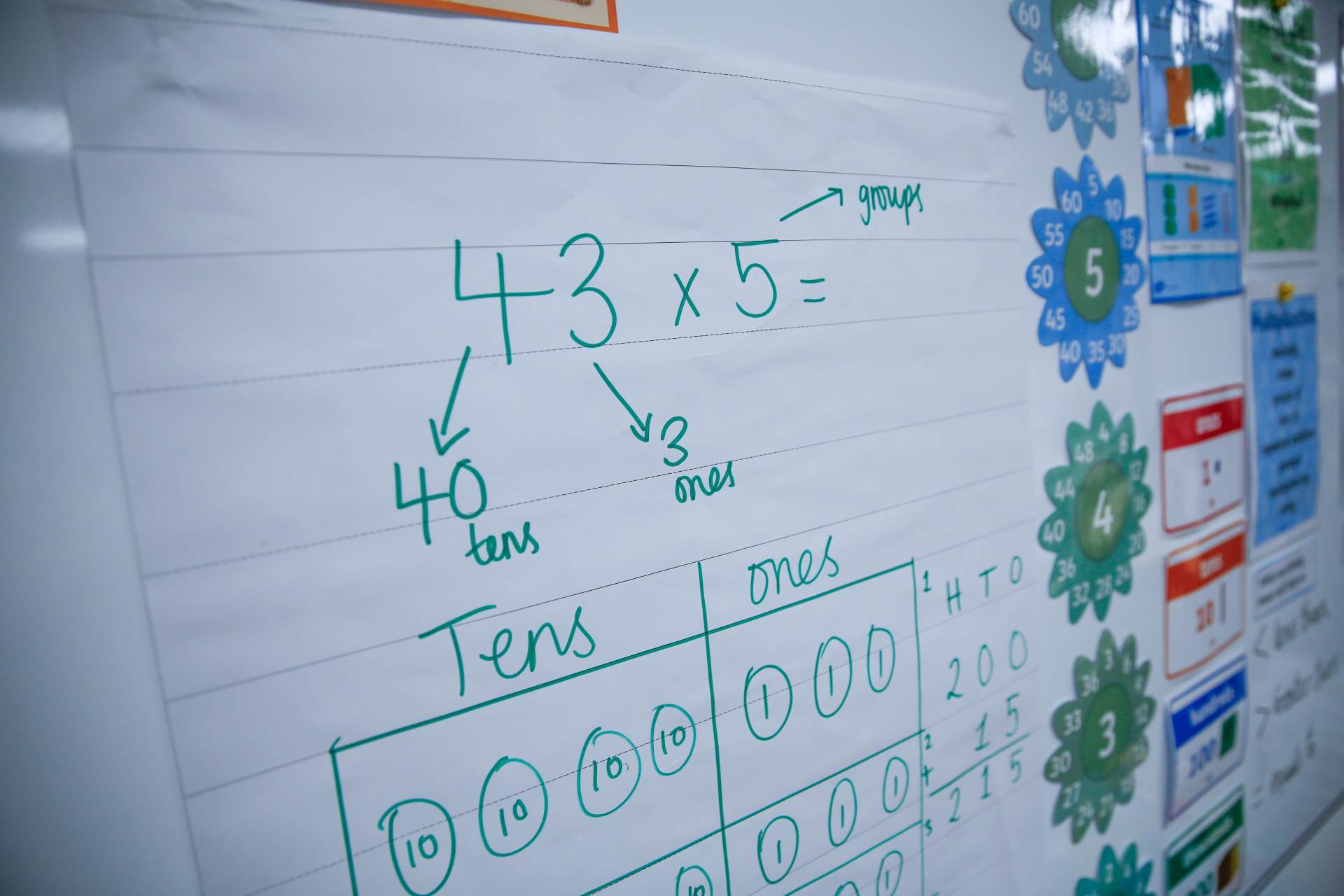
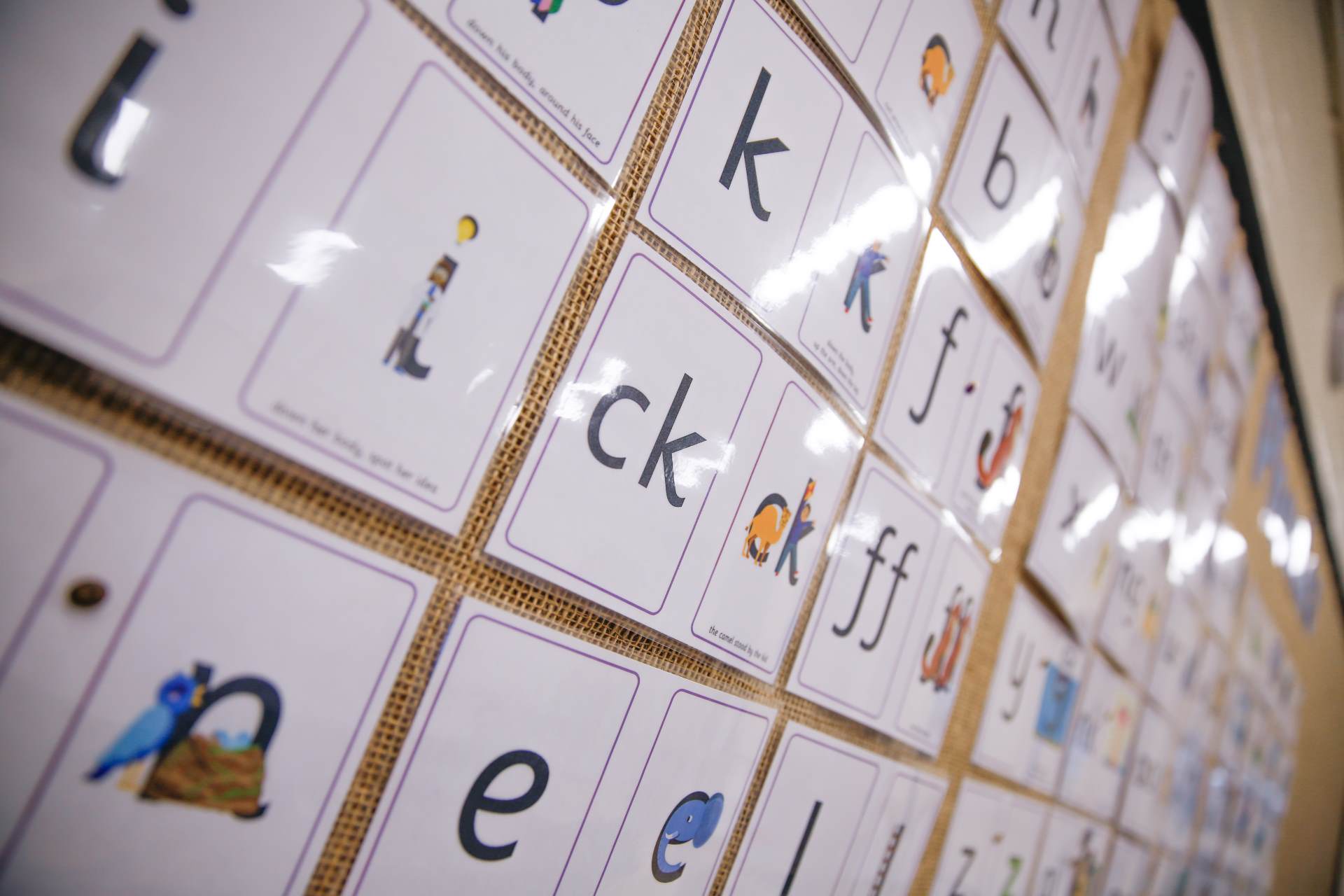
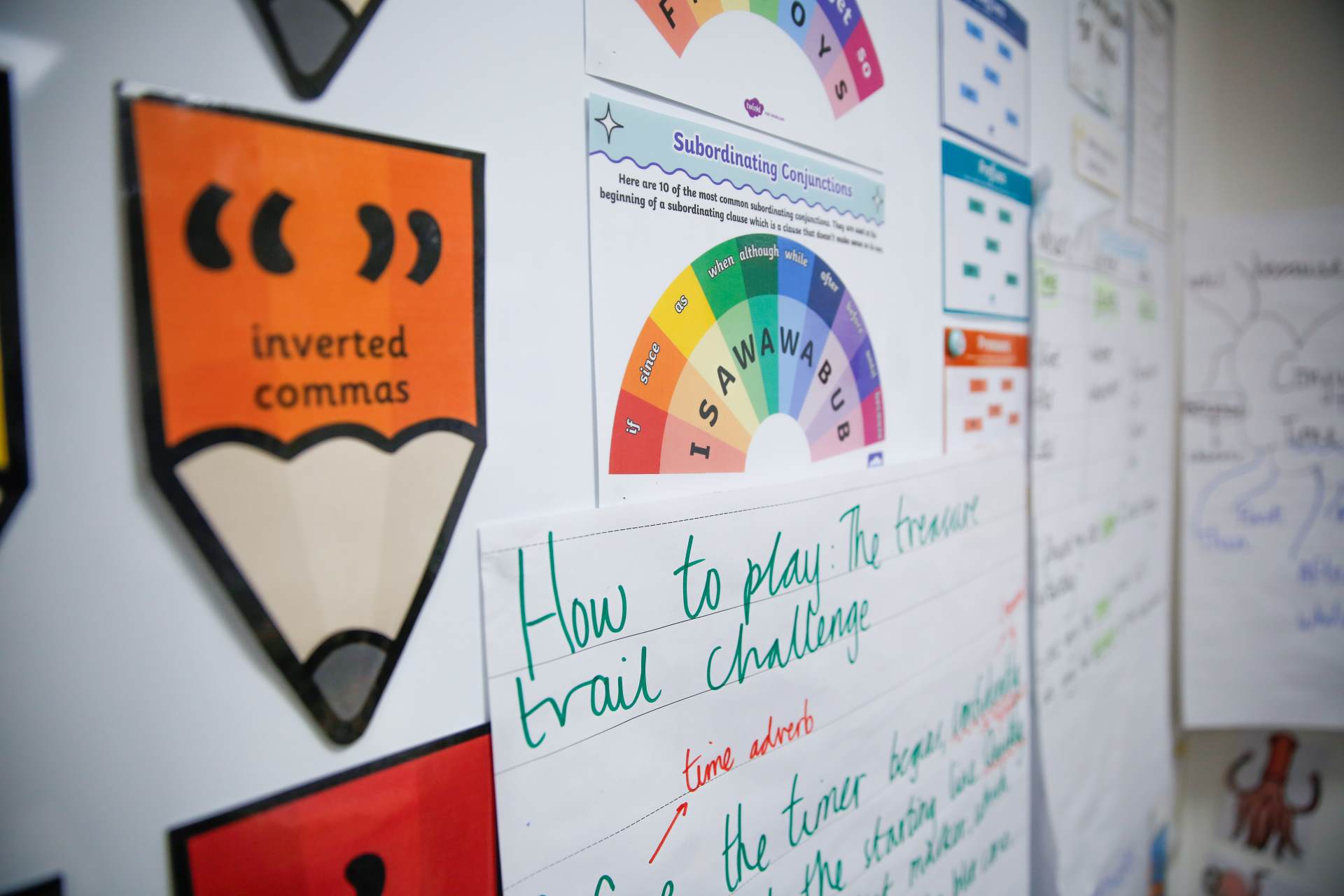
Well-presented and informative displays, which support learners to foster independence.
Opportunities to showcase and celebrate learners’ achievements within the environment.
How we Promote Inclusion:
At Richard de Clare, we are committed to ensuring that every child can access high-quality learning experiences, regardless of their starting point, background, or individual needs.
Strong Relationships & Emotional Literacy

We believe that strong, trusting relationships between staff and pupils are the foundation of effective teaching and learning. We are committed to knowing every child as an individual so that we understand their interests, strengths and the potential barriers that they face. We use our in-depth knowledge of our pupils to inspire, motivate, and support them to achieve their full potential.
Central to building strong relationships is our approach to developing emotional literacy so that pupils have the language and understanding to express their emerging needs. Across the school, pupils have daily ‘emotional check-ins’ with their teachers and classmates, which are adapted to the age and level of development of the child.
Adaptive Teaching
Through adaptive teaching, we aim to further remove barriers to learning and promote equity.
Teachers use ongoing assessment and observation to understand each pupil’s strengths and needs. This informs planning and delivery to ensure all pupils are appropriately challenged and supported.
Where necessary, teachers will provide additional scaffolding to that given during explicit modelling to support pupils in developing their understanding and achieving the intended outcomes.
This may include, but is not limited to, the following strategies:
- Written scaffolds: sentence starters, word banks, prompt questions
- Physical scaffolds: manipulatives like counters, number lines
- Additional adult or peer support
How we Ensure High Standards:
Monitoring of teaching and learning
Senior Leaders and Subject Leaders regularly monitor teaching and learning through learning walks, book looks, and pupil voice activities. These processes are collaborative and are designed to celebrate strengths and identify areas for development. Staff work together across year groups and phases to share best practice, moderate standards, and ensure consistency in expectations and outcomes.
Data Analysis
We use pupil data purposefully to track progress, identify gaps, and inform teaching. Termly pupil progress meetings with SLT provide a structured opportunity to review attainment, discuss individual needs, and plan targeted interventions. This ensures that no pupil is left behind and that teaching is responsive to emerging trends and challenges across the school.
 CPD – Investing in Teachers to Support Learners
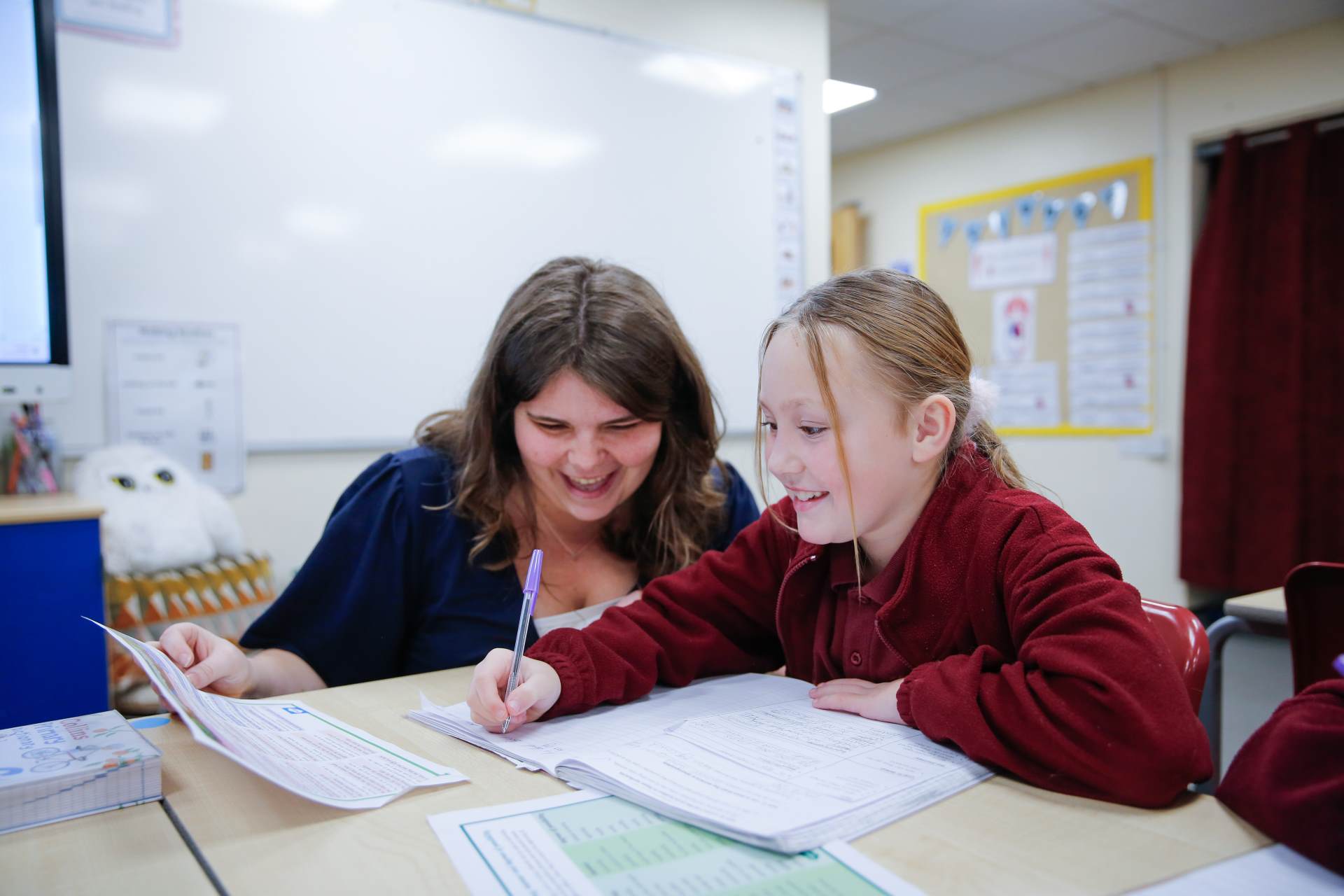
We are committed to the ongoing professional development of our staff. Our CPD programme includes whole-school training, subject-specific development, and access to external expertise. Instructional coaching for staff is a key feature of our approach to improving learning, enabling teachers to reflect on their practice, set goals, and receive tailored support. By investing in our staff, we empower them to deliver high-quality teaching that meets the needs of all learners.


